Paso Robles highlight
Historic downtown
Downtown Paso Robles, incorporated as a city in 1889, developed around natural hot springs and the arrival of the railroad.
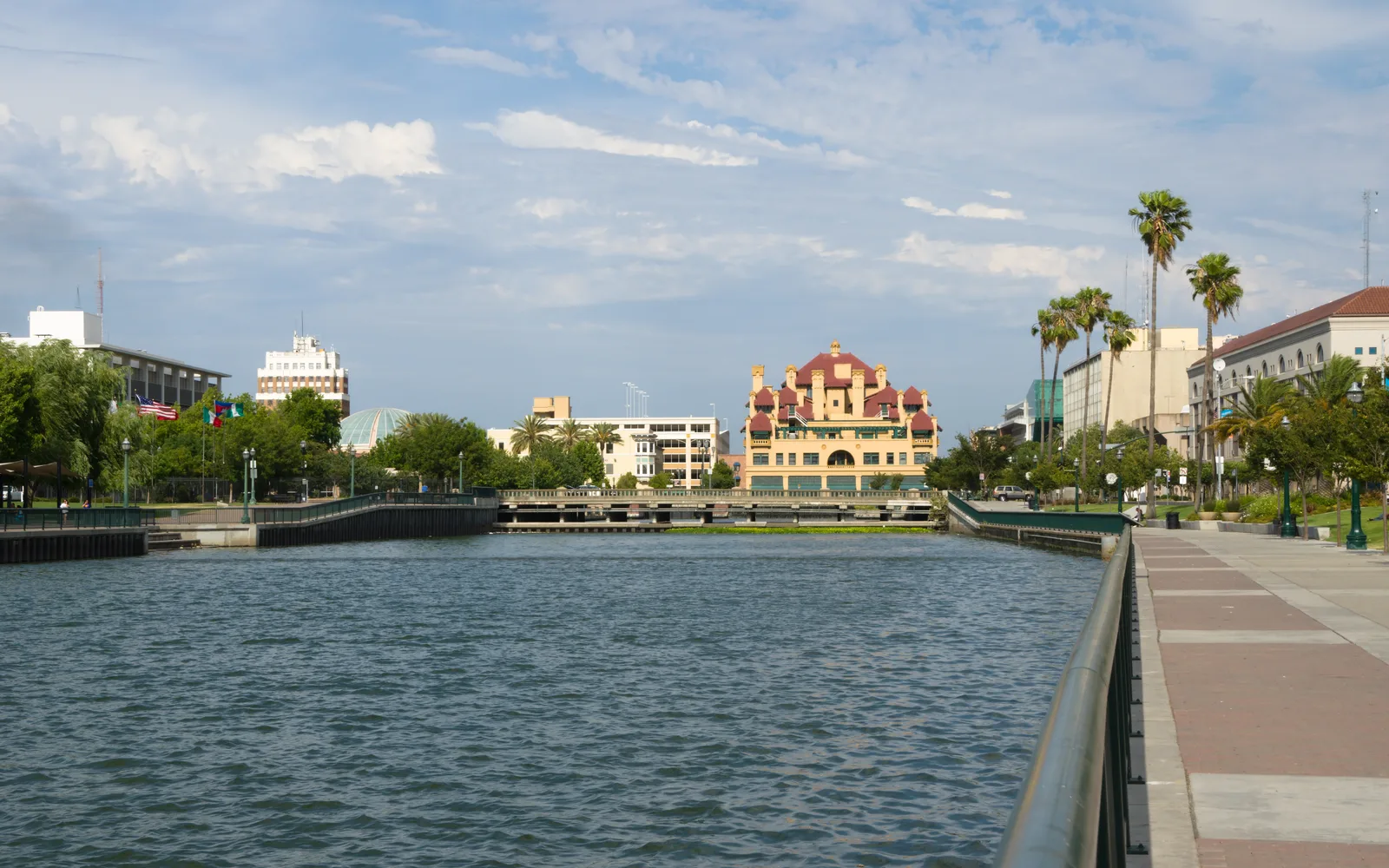
Paso Robles was incorporated as a city on March 11, 1889, growing from a rural ranching settlement into a small city with a new railroad connection. The first passenger and freight train arrived on October 31, 1886, connecting Paso Robles to the larger California economy and making it easier to ship agricultural products. The railroad station and the development of downtown followed quickly, and the city's character was shaped by its role as a railroad town and agricultural hub for the surrounding wine and grain country.
The hot springs that gave the city its name—Paso de Robles, or 'Pass of the Oaks'—have been part of its identity since the days of Spanish settlement. Downtown developed as the civic and commercial center around these natural features and the railroad depot. In 2003, the San Simeon earthquake caused significant damage to downtown buildings, but the community invested in restoration, preserving the historic character of the district while updating infrastructure. Today, the Paso Robles History Museum, housed in a former Carnegie library in Downtown City Park, documents the city's evolution from a small springs settlement to a regional center.
Families in Paso Robles who maintain roots in the downtown area—running businesses, attending community events, or raising children in town—often stay through multiple generations. A life insurance plan that matches the income years of that involvement with the downtown economy, the local business, or the extended family connections is part of how people ensure their dependents have options when circumstances change.